Sword Ferns, Salal, and the Art of the Low-Maintenance Understory
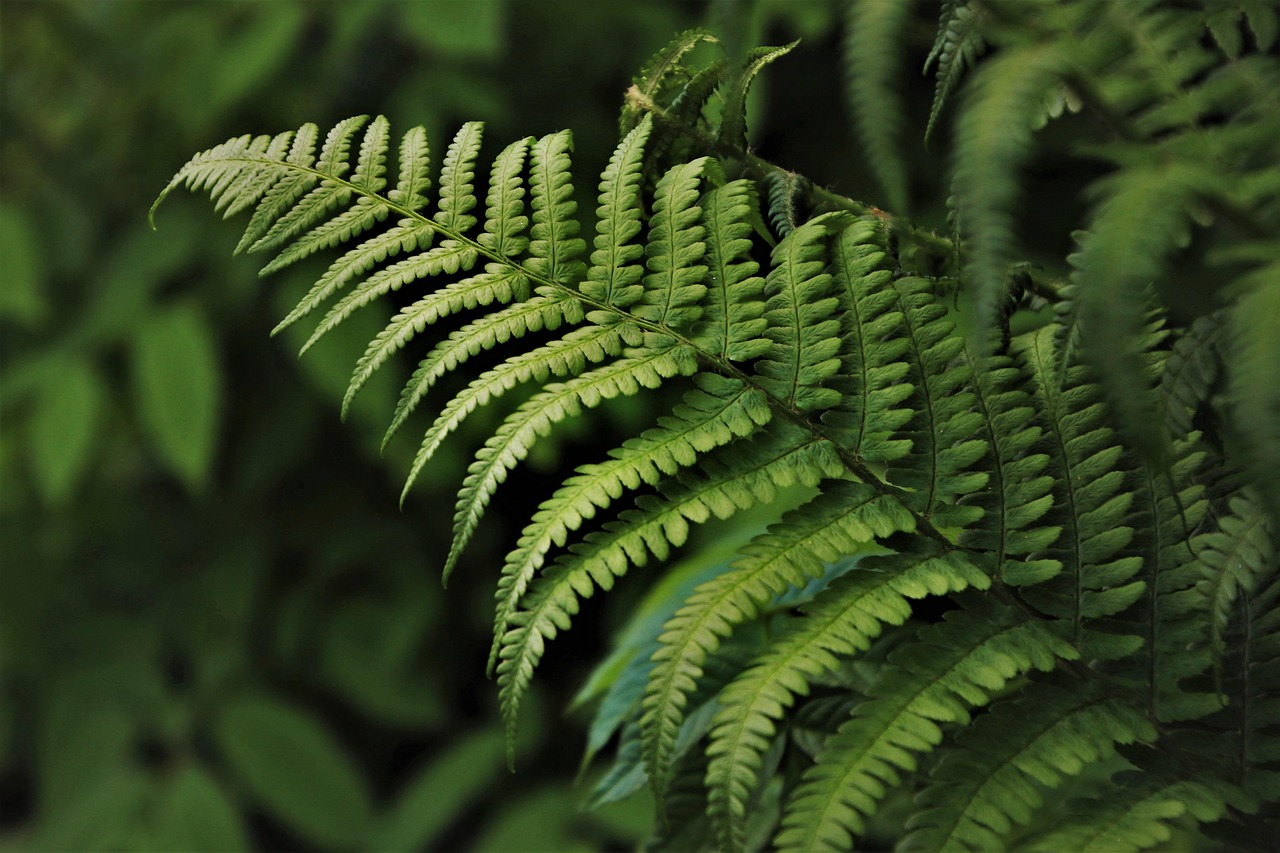
The first time I walked into a mature Douglas fir forest, I remember being struck by how tidy it was. Not manicured—nothing about it looked maintained—but coherent. There was a clear order to things. Tall trees above, a middle layer of shrubs, and a dense green carpet below. Nothing was fighting for space. Everything had found its place.
That's the model I try to bring into shade gardens. Not because I want to replicate the forest exactly, but because the forest has already solved most of the problems we struggle with in shady yards: poor light, root competition, dry summers under evergreen canopy, and the constant question of what will actually grow there.
Three plants do most of the heavy lifting in Northwest forests, and they can do the same in your yard.
The Workhorses: Sword Fern, Salal, and Oregon Grape
Sword fern (Polystichum munitum) is the most useful plant in the Northwest garden, full stop. It's evergreen, drought-tolerant once established, deer-resistant, and it looks good year-round. A single mature sword fern can span four feet across, and it holds that shape without any help. Plant them in a drift, not in a row—nature doesn't do rows—and they'll knit together into a ferny groundcover that crowds out weeds.
Salal (Gaultheria shallon) is the plant that confuses people. In the wild, it's often scrubby and leggy, which makes gardeners dismiss it. But salal in good garden soil with a bit of afternoon shade becomes a glossy, thick-leaved shrub with urn-shaped flowers and dark purple berries. It spreads by rhizomes, which means one plant becomes a colony. Give it room and it will reward you. The berries are edible and taste like a cross between blueberry and something wilder.
Oregon grape (Mahonia aquifolium or M. nervosa) is the flashiest of the three. Holly-like leaves that flush bronze in winter, clusters of yellow flowers in late winter when nothing else is blooming, and dusty blue berries in summer. It's the plant that gets neighbors asking questions. Tall Oregon grape wants sun; the lower-growing dull Oregon grape handles shade beautifully.
Together, these three create the bones of a shade garden that doesn't need much from you.
Layering for Depth and Interest
The forest doesn't stop at three plants, and neither should you. Once the workhorses are in, add layers. Under the ferns, tuck in vanilla leaf (Achlys triphylla) for its sweet-smelling, fan-shaped foliage. Add red huckleberry for its delicate leaves and tart berries. Let inside-out flower (Vancouveria hexandra) creep along the ground in the shadiest corners.
For a mid-layer, consider vine maple—the Northwest's answer to Japanese maple, without the fuss. Its light green leaves turn gold in fall, and its twisting trunks look good even in winter. Add a single red flowering currant at the edge of the shade and you'll have hummingbirds by February.
The goal isn't to fill every square inch. It's to create a community where each plant has a job. Ferns cover ground. Salal feeds birds. Oregon grape feeds early bees. The garden becomes an ecosystem instead of a collection.
And here's the quiet part: once that community establishes, usually by the third summer, you'll barely have to water it. The forest knows how to take care of itself. You're just borrowing its recipe.