Planting a Pacific Northwest Native Garden in Your First Year: A Seasonal Roadmap
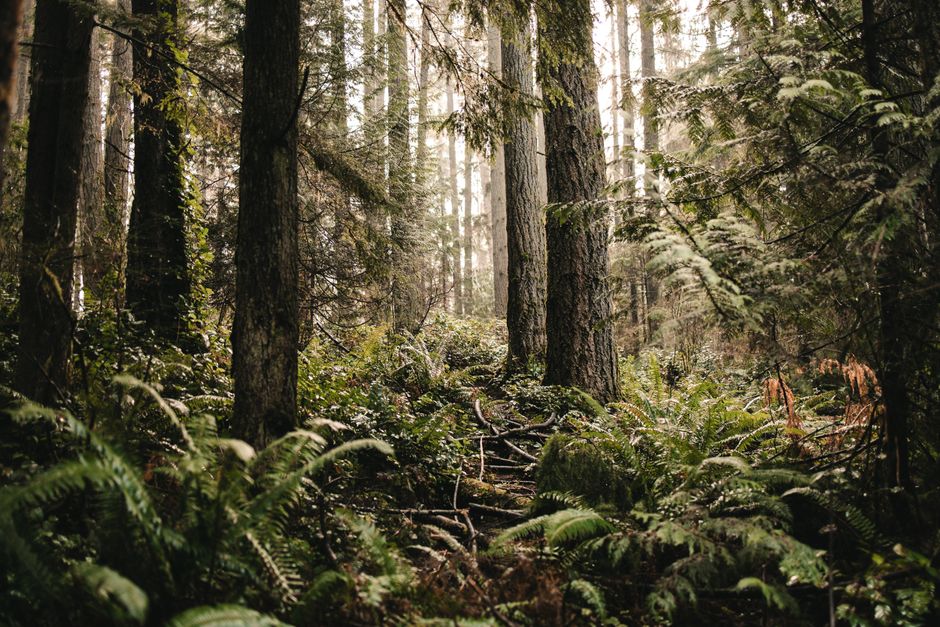
One of the kindest things you can do for a new native garden in the Pacific Northwest is to plant it in the fall. Our rainy season does most of the watering for you, and roots get months of cool, moist soil to settle in before the first dry summer. If you are starting from a lawn or a patch of weeds, though, the work begins a little earlier. Sheet mulching in late summer, laying down cardboard and a thick blanket of arborist chips, gives you a planting bed by October without a single pass of the rototiller.
Fall is also when most nursery stock of natives looks its best and roots most actively. Sword fern, salal, red huckleberry, and Oregon grape all transplant well from September through November, while the soil is still warm but the air has cooled. Aim to have everything in the ground by Thanksgiving. Plants that go in later tend to sit and sulk through winter rather than root, and you will spend the following summer making up for it with the hose.
Winter: Watching, Not Watering
Once the ground is saturated, your main job is observation. Walk the garden after big storms and note where water pools. Many Northwest natives, from red-twig dogwood to clustered wild rose, tolerate wet winter feet, but a few, like Oregon sunshine and many penstemons, will rot if they sit in a bog. If you find a low spot, either move the plant in early spring or mound the soil slightly so the crown stays above the water line. Winter is also a good time to prune deciduous natives while they are dormant and leafless, which makes their structure easy to read.
Resist the urge to fertilize. Native plants evolved in our lean, acidic soils and most respond to rich amendments by growing floppy and short-lived. A mulch of fallen leaves is plenty. Save your energy for the spring weeds, which will arrive whether you are ready or not.
Spring and Summer: The Art of Letting Go
Spring is for filling gaps and pulling weeds while they are still small. If a plant failed over winter, replace it now rather than waiting, but try to understand why it died before you do. Was it drowned, shaded out, or eaten? Replanting into the same problem just repeats the lesson. Early spring is also the moment to scatter seeds of native annuals like farewell-to-spring and tarweed, which will self-sow in future years if you leave the seed heads standing.
By July, the training wheels come off. A native garden planted the previous fall should need little to no supplemental water after its first summer, but that first summer is the exception. Water deeply and infrequently, once a week at most, and taper off by late August. Shallow daily sprinkling teaches roots to stay near the surface, which is the opposite of what you want. Watch for the moment plants stop looking crisp and start looking tired, then let them be tired. Dormancy is not death. Brown seed heads and yellowing leaves are part of the deal, and they feed the birds and insects that make a native garden worth having.