Gardening for Pollinators with Pacific Northwest Natives
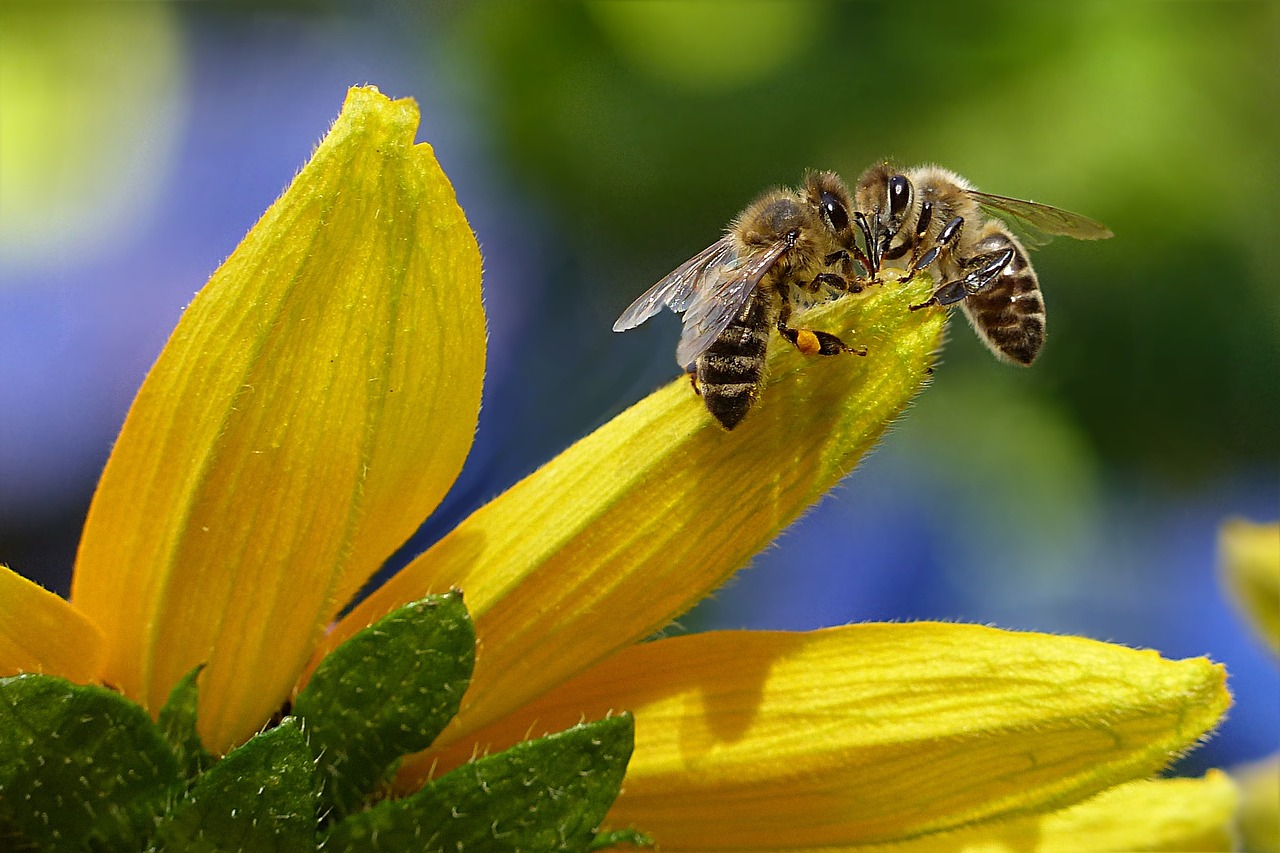
When people say they want to garden for pollinators, they usually mean honeybees. But the Pacific Northwest is home to hundreds of native bee species, most of them solitary, ground-nesting, and utterly dependent on native plants. Mason bees, bumblebees, sweat bees, and tiny metallic green bees all evolved alongside our flora. If you plant for them, you also feed butterflies, moths, hummingbirds, and the insects that songbirds need to raise their young. It is one of the few garden choices with no real downside.
The first principle is bloom through the whole season. A garden that explodes in June and goes quiet by August starves pollinators in late summer, exactly when many species are provisioning nests or fattening up for winter. Aim for something in flower from March through October, even if that means tolerating a few plants that look weedy by conventional standards.
Spring and Early Summer
Early spring is the hardest window to fill, because so few garden plants are up yet. Red-flowering currant is the anchor here, blooming in March and April with drooping clusters of pink that hummingbirds and early bumblebee queens work hard. Pair it with Oregon grape, whose yellow flowers open in late winter and feed bees when little else is available, and with red huckleberry for its small, bell-shaped blooms in April.
As spring warms, camas takes over. Its blue-violet spikes are a signature of Northwest meadows and a favorite of bumblebees. Plant it with western buttercup and farewell-to-spring, a native annual with satiny pink petals that self-sows if you leave the seed heads. Nodding onion follows in early summer, its loose umbels of pale pink dangling above the foliage and drawing small native bees that larger flowers miss.
Late Summer and Fall
Midsummer is easy. Yarrow, columbine, and penstemon all bloom freely and feed a wide range of bees. But the plants that matter most are the ones that carry the garden into fall. Douglas aster is the workhorse, covered in small purple flowers well into September and swarmed by bees and butterflies. Goldenrod, often blamed unfairly for allergies, is another late-season powerhouse that supports dozens of bee species. Fireweed, with its tall magenta spires, bridges the gap between the two.
Do not forget the plants that feed caterpillars rather than adults. Willows support an astonishing number of butterfly and moth larvae, and oceanspray and serviceberry do similar work in a smaller space. Leave your fall leaves in place under shrubs and trees, because many native bees overwinter in the litter and in hollow stems. Resist the urge to tidy everything in October. A little mess is the whole point. Plant a diverse mix, let some seed heads stand, and skip the pesticides entirely. The pollinators will find you.