Bringing the Forest Home: Designing a Woodland Garden That Feels Wild
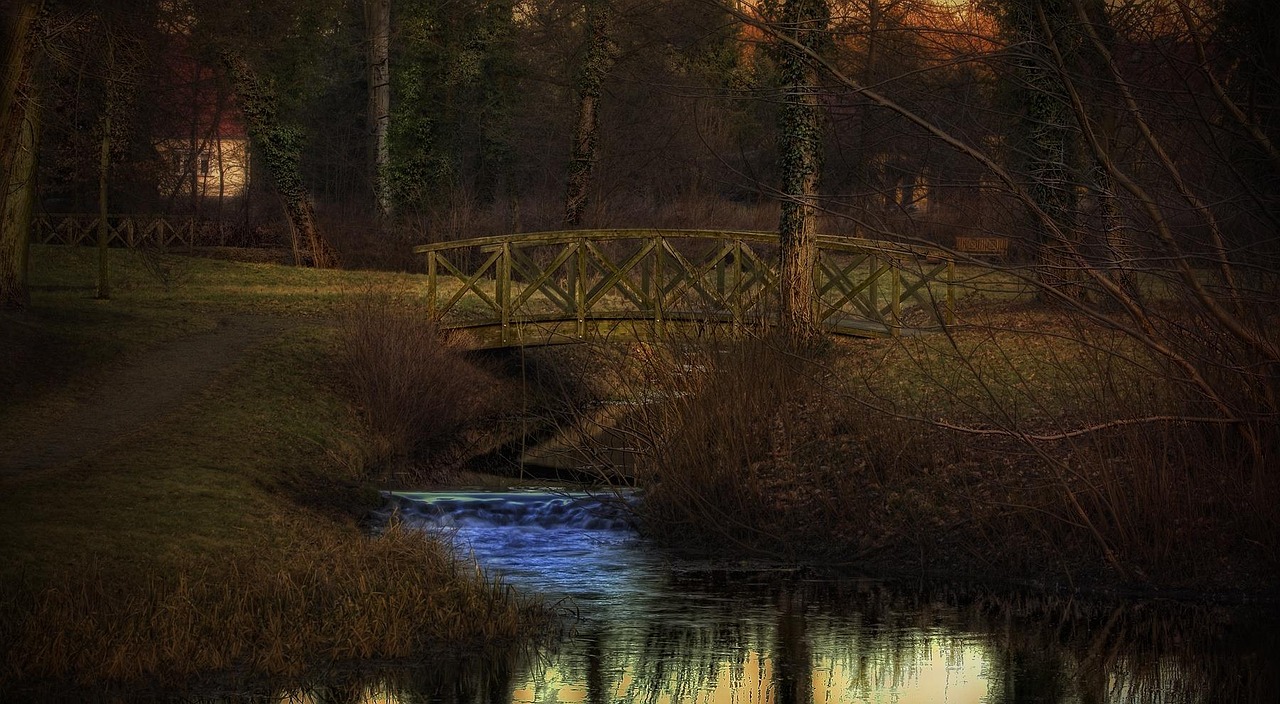
The first time I tried to make a woodland garden, I made the classic mistake: I tried to copy a forest. I planted everything in dense, naturalistic drifts, left the ground messy, and waited for the wild beauty to emerge. What I got instead was a chaotic mess that looked less like a forest and more like a neglected corner.
It took me a few years to understand that a woodland garden isn't a miniature forest. It's a garden that borrows the forest's logic—its layers, its textures, its quiet—and translates it into a space that still feels intentional. The trick is knowing what to borrow and what to leave behind.
Layers, Not Chaos
Forests work because they're layered. There's a canopy, an understory, a shrub layer, a groundcover layer, and a root layer. Each one occupies a different height and does a different job. When you bring that structure into a garden, everything suddenly has a place.
In a small yard, the canopy might be a single vine maple or a multi-stemmed serviceberry. The understory might be a few red huckleberries or a vine maple's smaller cousin. The shrub layer could be salal, Oregon grape, and red flowering currant. The groundcover layer is where sword ferns, inside-out flower, and wild ginger live. And the root layer—well, that's the bulbs and the mycorrhizal fungi you can't see but that hold everything together.
The key is repetition. Nature doesn't plant one of everything. She plants the same fern twenty times in a drift, then switches to something else. Copy that. Pick three or four plants and repeat them in waves. The garden will look intentional and wild at the same time.
Light, Paths, and the Feeling of Discovery
A woodland garden should feel like a place you wander into, not a bed you look at. That means paths—even small ones. A simple mulch path that curves between plantings does more for the feel of a woodland garden than any plant choice. It creates the sense that something is around the corner.
Light is the other tool. Dappled light, the kind that filters through a high canopy, is what makes woodland gardens feel magical. If you don't have mature trees, you can create the effect with a pergola or even a well-placed vine maple that casts just enough shade. The goal is patches of sun and shade, not uniform gloom.
Don't be afraid of a little mess. A woodland garden should have fallen leaves, mossy logs, and the occasional bare patch of soil. Those details are what make it feel alive. Just keep the bones of the design clear—the paths, the layers, the repetition—and the messiness will read as natural instead of neglected.
Finally, plant for all seasons. A woodland garden in February, when the red flowering currant is blooming and the hellebores are up, is just as beautiful as one in June. The forest doesn't bloom all at once, and neither should your garden. Spread the interest across the year, and you'll have a space that rewards you every time you walk through it.